
Owners Club · Boat care
How to wash your boat properly after a day at sea
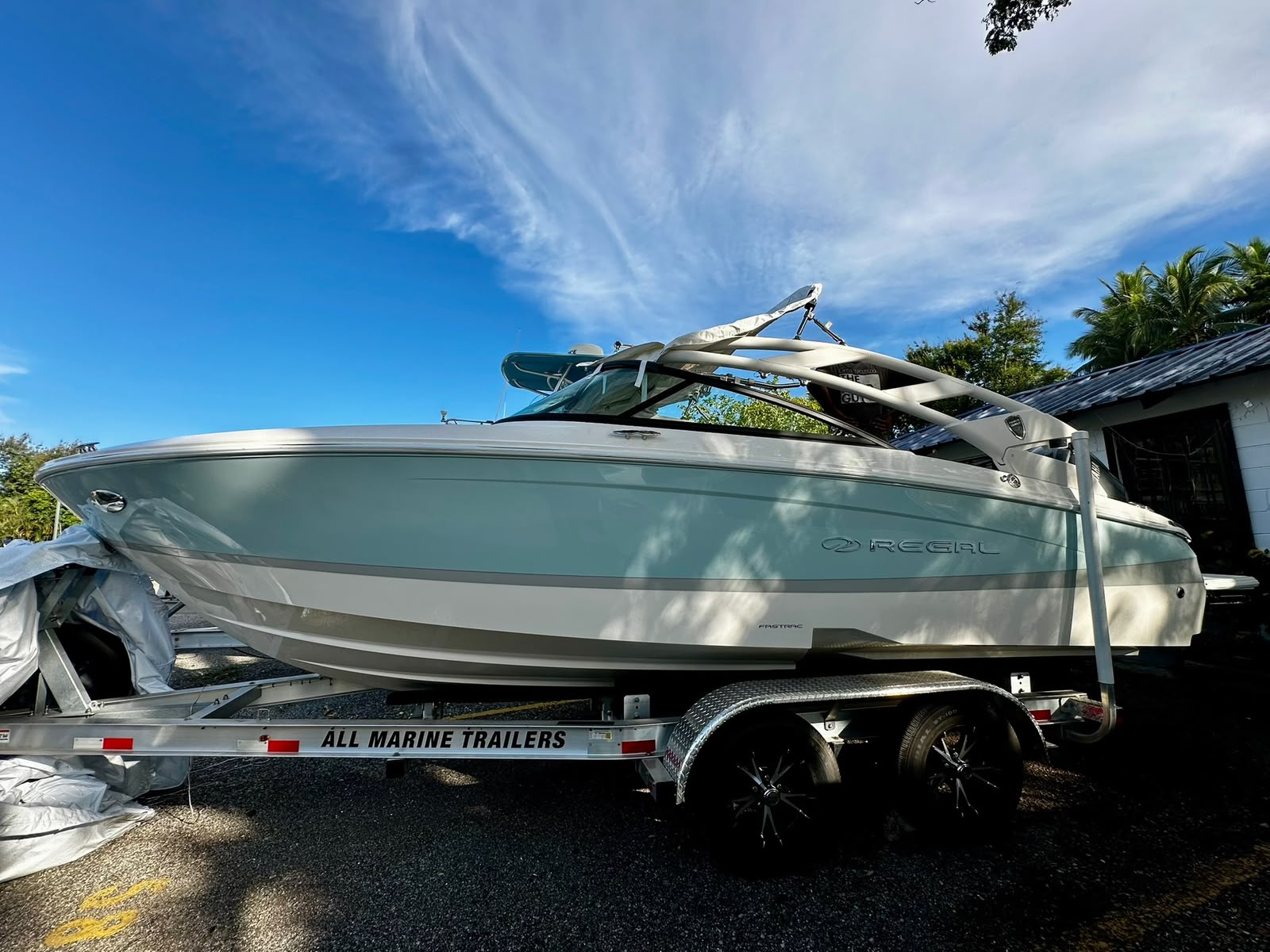
Salt left to dry on a boat attracts moisture, speeds up corrosion on metal fittings and dulls finishes. A fresh-water rinse and wash after every saltwater outing is the simplest habit that protects your investment.
Step by step
- Rinse first. Hose the whole boat top-down with fresh water to lift salt and grit before you touch any surface, so you don't scratch the gelcoat.
- Wash with a marine boat soap. Use a soap made for boats and a soft brush or mitt, working from top to bottom in sections.
- Rinse again thoroughly, including hardware, rails, hatches and drains, before soap dries on the surface.
- Dry and inspect. Chamois or microfiber the windshield, glass and stainless to avoid water spots. Look for loose fittings or spots of corrosion while you dry.
- Upholstery and canvas. Rinse off salt and let them dry fully before covering the boat.
- Don't forget the engine. Outboards used in saltwater should be flushed and rinsed after each use. The flushing method (flush fitting or muff) depends on your engine; follow your owner's manual.[1]
Common mistakes: using household detergents or abrasive pads on gelcoat; washing in direct midday sun so soap dries on; aiming high-pressure water at engine electrical connections or air intakes.[1]
Not sure about a product or procedure for your boat? Ask the M Costa Marine team on WhatsApp.
Sources: [1] Mercury Marine, "Preventing Corrosion" (flush and rinse after each saltwater use; check the owner's manual for flushing options; avoid high-pressure water on electrical connections): mercurymarine.com. Yamaha owner FAQs on flushing: yamahaoutboards.com. Always follow your boat's and engine's owner's manuals.